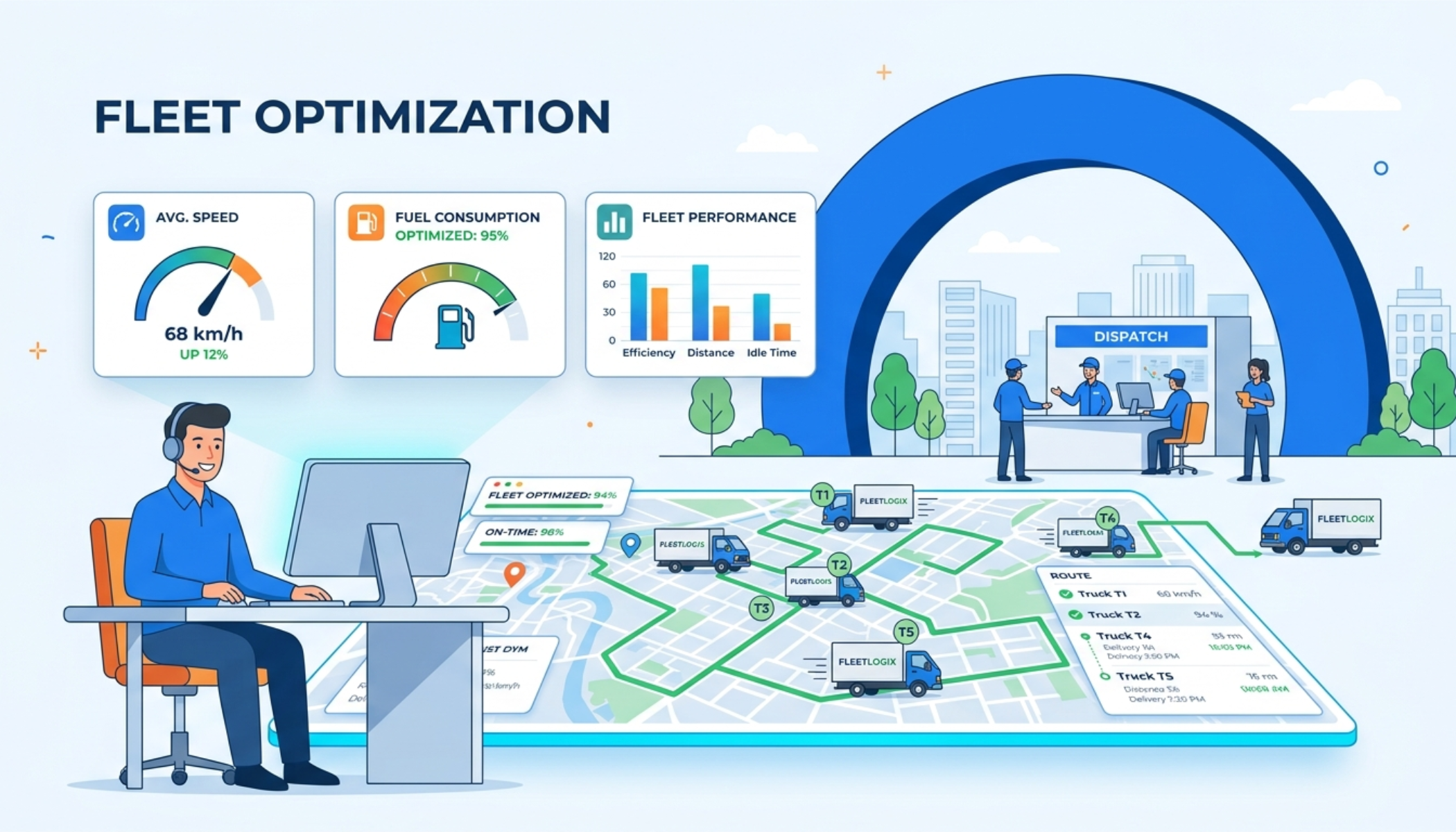
Fleet Efficiency: How to Cut Costs, Boost Productivity, and Optimize Operations
Key Takeaways: Fleet efficiency is the optimal use of vehicles, drivers, fuel, and resources to maximize output while minimizing costs. …

Key Takeaways: Fleet efficiency is the optimal use of vehicles, drivers, fuel, and resources to maximize output while minimizing costs. …

Key Takeaways: Fleet benchmarking is the process of comparing your fleet’s operational metrics — cost per mile, fuel efficiency, maintenance …
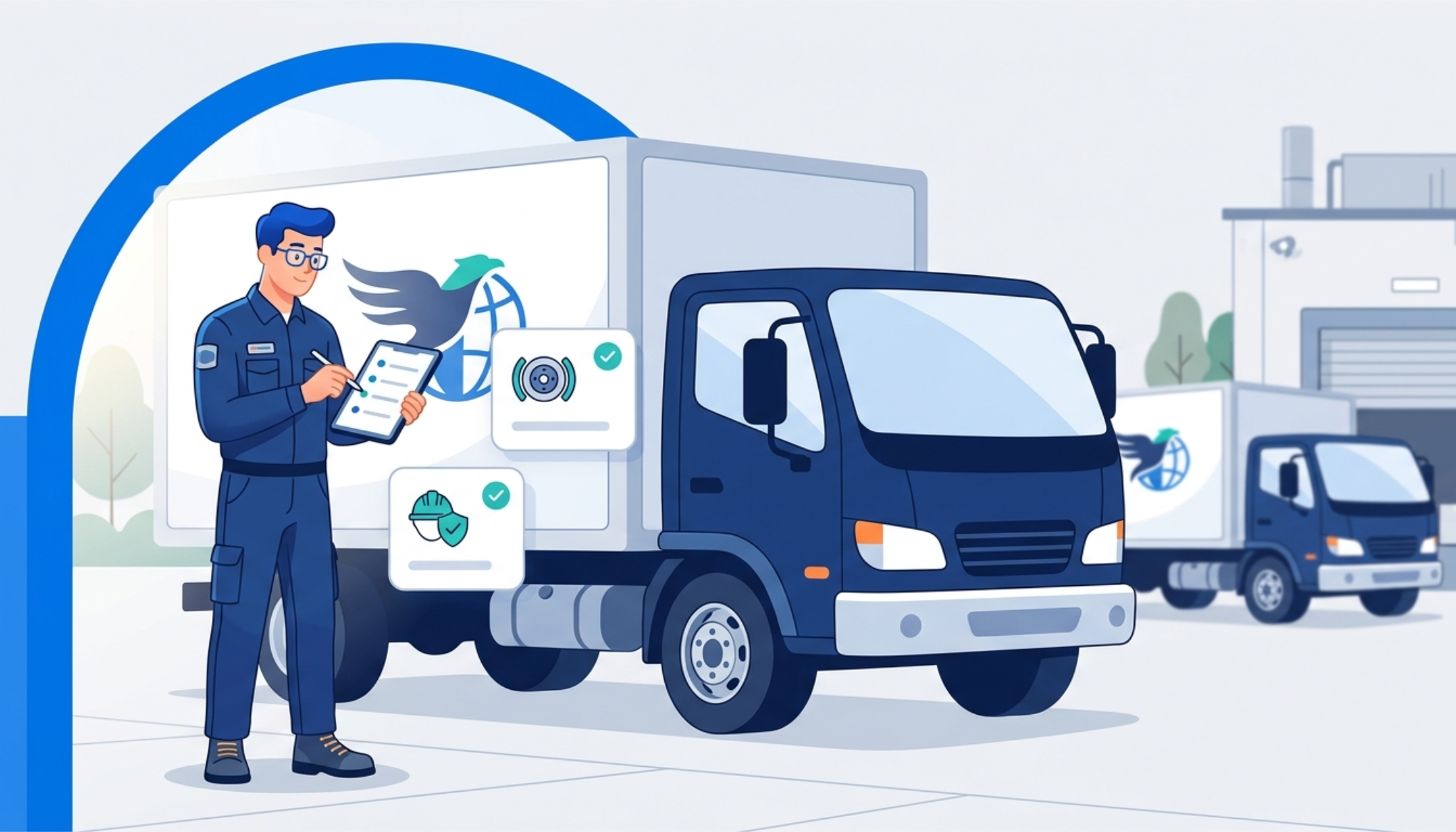
Key Takeaways: A fleet inspection is a systematic check of commercial vehicles to verify roadworthiness, regulatory compliance, and driver safety, …

Key Takeaways: Fleet safety management is an ongoing system of policies, technologies, and procedures — not a one-time initiative — …

Key Takeaways: Total cost of ownership (TCO) in fleet management is the comprehensive sum of every expense a vehicle incurs …

Fleet operating costs have risen sharply over the past several years, with fuel, maintenance, and labor accounting for the bulk …

Behind every successful delivery lies a strategic dispatch plan, meticulously crafted to navigate challenges. Checkout strategies driving fleet dispatching, from …

Key Takeaways: Fleet key management is the process of controlling, tracking, and securing access to vehicle keys across your fleet …

Key Takeaways: AI in fleet management turns massive vehicle and sensor data into real-time, actionable decisions across routing, maintenance, safety, …

Fleet operations are becoming more complex as businesses scale, making it harder to manage vehicles, drivers, routes, and daily execution …

Fleet compliance is a critical part of running safe and reliable fleet operations, but it can quickly become complex as …

Fleet maintenance is critical to keeping operations running smoothly, but for many teams, it’s often inconsistent or reactive. Vehicles miss …