
Table of Contents
Fast delivery has become a major competitive advantage for businesses across industries, especially in food delivery, retail, eCommerce, and last-mile logistics. Customers now expect shorter delivery windows, accurate ETAs, and real-time order visibility, while businesses are under pressure to reduce operational costs and maximize delivery efficiency.
Even small delivery delays can lead to customer dissatisfaction, negative reviews, and lost repeat business. Improving delivery time is not just about driving faster. It requires smarter route planning, efficient dispatching, real-time tracking, optimized driver schedules, and streamlined delivery operations.
Businesses that invest in delivery optimization technology can reduce delays, complete more deliveries per driver, and improve the overall customer experience. In this blog, we’ll explore practical strategies to improve delivery time and build a faster, more efficient delivery operation.
Why Delivery Time Matters for Your Business
Delivery speed is no longer a competitive advantage. It is the baseline that determines whether customers come back or switch to a competitor. When your operation consistently delivers on time, you protect revenue, reduce support costs, and build the kind of reputation that drives repeat orders without additional marketing spend.
Delivery time also shapes how customers perceive your brand. Fast, predictable deliveries create trust. Inconsistent or late deliveries generate complaints, negative reviews, and a reputation that takes months to rebuild. For businesses competing against Amazon-level expectations, delivery efficiency is the operational lever that separates growing companies from stagnating ones.
How Delivery Time Optimization Works
Improving delivery time is not a single fix. It is a system of connected capabilities that work together:
- Route optimization algorithms analyze stop locations, traffic patterns, and time windows to calculate the fastest delivery sequences
- Automated dispatch assigns routes to drivers based on location, capacity, and skill set, eliminating morning planning delays
- Real-time GPS tracking monitors driver progress and flags delays before they cascade across the schedule
- Customer notification systems send automated ETA updates at key milestones: dispatched, en route, and delivered
- Performance analytics track on-time rates, average delivery times, and route adherence to identify improvement areas
Each of these components addresses a different source of wasted time. The sections below break down how to implement them as a connected framework, starting with the six operational pillars that have the biggest impact on delivery speed.
How to Improve Delivery Time: A Complete Framework
Faster delivery does not come from a single change. It requires coordinated improvements across planning, execution, and communication. The six pillars below form a complete system: optimize how routes are built, automate how they are assigned, track how they are executed, manage customer expectations, and close the gaps between warehouse and vehicle.
Optimize Routes Before Drivers Leave
Pre-trip route optimization eliminates the single biggest source of wasted delivery time: poorly sequenced stops. Instead of drivers following routes built on instinct or basic map tools, optimization algorithms analyze every stop and calculate the most efficient sequence based on distance, traffic patterns, and delivery windows.
Multi-stop sequencing also accounts for vehicle-specific constraints like cargo capacity, vehicle height restrictions, and driver skill sets. A route that works for a sprinter van may not work for a box truck with a limited turning radius in residential neighborhoods.
Factor in Real-World Constraints Like Traffic and Road Closures
Static distance-based routing ignores the reality of road conditions. Historical traffic data, construction zones, toll roads, and restricted areas all affect actual delivery time. Route planning software that incorporates these real-world constraints produces routes that reflect what drivers actually encounter, not theoretical best cases. Avoiding left turns across busy intersections, for example, can shave minutes off each stop that compound across a full route.
Reoptimize When Stops Change Mid-Day
Delivery plans rarely survive the full day unchanged. Cancellations, same-day additions, and priority shifts require dynamic rerouting that recalculates the optimal sequence for remaining stops. Without this capability, dispatchers either manually rebuild routes or drivers continue following a plan that no longer makes sense. Daily route optimization that supports mid-day adjustments keeps delivery times tight even when plans shift.
Automate Dispatch and Driver Assignment
Manual dispatch creates a bottleneck where the dispatcher becomes the constraint on fleet speed. When one person is assigning routes by phone, text, or spreadsheet, every driver waits for instructions, and the gap between route completion and the next assignment grows. Automating dispatch based on driver location, capacity, and availability removes that bottleneck and gets drivers moving faster.
Auto-assignment also reduces errors. Manual dispatch often leads to unbalanced workloads where some drivers are overloaded while others sit idle. Driver dispatch management software distributes stops based on optimization logic rather than guesswork.
Balance Workload Across Your Fleet
Even distribution prevents burnout, reduces overtime costs, and ensures no vehicle sits underutilized while others are stretched thin. Zone-based assignment works for simple operations, but optimization-based assignment adapts dynamically to stop density, time windows, and driver availability. The result is a fleet where every driver finishes within a similar timeframe.
Cut Morning Departure Delays With Pre-Assigned Routes
Routes pushed to the driver app the night before eliminate the morning scramble. Drivers review their stops, plan their loading order, and start immediately instead of waiting for assignments. For operations where morning departure delays cost 30-60 minutes daily, pre-assignment alone can improve delivery time by getting the first stop completed before competitors have even dispatched. Learn more about how to schedule delivery drivers for maximum efficiency.
Use Real-Time Tracking to Respond to Delays
Most delivery operations only discover delays after customers complain. By then, one late delivery has cascaded into three or four. Live GPS tracking closes this visibility gap by showing every driver’s location, route progress, and estimated arrival time on a single dashboard.
Driver fleet tracking enables proactive intervention. When a driver is stuck in unexpected traffic or spending too long at a stop, dispatchers can reroute or reassign remaining stops before the delay compounds. Geofencing alerts flag route deviations and extended stops automatically, so the operations team does not need to monitor every driver manually.
Identify Bottleneck Patterns Over Time
Individual delays are inevitable. Recurring delays at the same locations, during the same time windows, or on the same routes point to systemic issues that need structural fixes. Historical tracking data reveals these patterns: a particular intersection that adds 10 minutes every afternoon, a customer location where parking consistently delays drivers, or a route segment that underperforms every Monday.
Intervene Before a Delay Becomes a Failed Delivery
When a driver is running behind, the window for correction is small. Real-time tracking lets dispatchers reroute drivers around traffic incidents, reassign stops to a nearby driver who is ahead of schedule, or notify the customer of an updated ETA before they leave the delivery location.
Set and Manage Delivery Time Windows
Customer-promised delivery time windows create accountability and operational structure. When drivers have specific windows to hit, the entire operation runs with more precision. Tighter windows force better planning, more accurate ETAs, and faster execution at each stop.
But time windows only work if they are realistic. Overpromising windows the operation cannot consistently meet erodes customer trust faster than not offering windows at all.
Align Time Windows With Route Capacity
Overcommitting windows leads to systematic lateness. If your route can handle 40 stops in an eight-hour shift but you have promised 50 customers a two-hour window each, the math does not work. Build buffer time between stops for parking, building access, and delivery verification. Align window commitments with actual route capacity based on historical delivery duration data.
Use Time Window Data to Forecast Delivery Performance
Tracking window compliance rates over time reveals whether your promised windows match your operational reality. If you consistently meet morning windows but miss afternoon ones, the issue may be route front-loading or cumulative delays from earlier stops. Adjusting windows based on actual delivery durations improves both on-time rates and customer satisfaction.
Streamline Warehouse-to-Vehicle Handoff
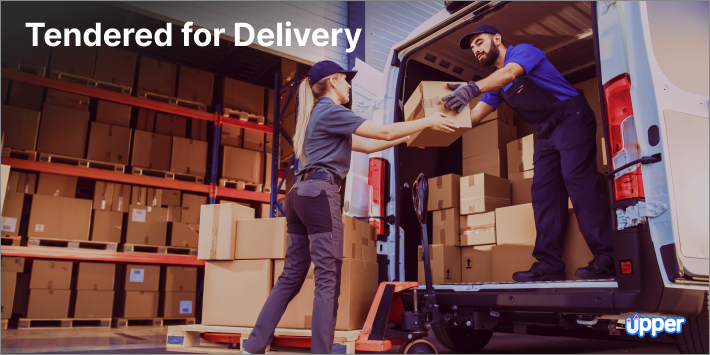
The gap between “route is ready” and “driver departs” is often 30 to 60 minutes or more. This is dead time that directly adds to delivery times but rarely shows up in route optimization metrics. Load sequencing, where packages are organized in reverse delivery order so the first stop is last loaded and first accessed, eliminates the sorting time drivers spend at each stop.
Staging zones aligned with assigned vehicles reduce loading confusion. When packages for Driver A are in Zone A and packages for Driver B are in Zone B, loading becomes a straightforward process instead of a scavenger hunt across the warehouse floor.
Reduce Loading Errors That Cause Redelivery
Every misloaded package is a failed delivery that costs $15-20 or more in redelivery expenses. Barcode scanning and package verification at the loading dock catch mismatches between manifests and physical loads before drivers leave. This single step can improve first-attempt delivery rates by 5-10%, directly reducing wasted time and fuel spent on return trips.
Coordinate Warehouse and Dispatch Timing
Drivers arriving before loads are ready, or loads sitting on the dock waiting for drivers, are both symptoms of poor coordination between the warehouse and dispatch. Syncing pick-pack-load workflows with optimized departure times eliminates driver idle time at the dock and ensures vehicles leave as soon as routes are ready.
Keep Customers Informed With Automated Notifications
Proactive communication reduces “where is my order” calls by 30-50%. When customers receive automated SMS or email updates at key milestones, they stop calling your support team for status updates. The four critical notification touchpoints are: dispatched, en route, approaching, and delivered.
A customer notification software that pulls ETAs from live route data sends accurate arrival estimates instead of generic “your delivery is today” messages. This accuracy reduces missed deliveries because customers know exactly when to be available.
Set Accurate ETAs Based on Live Route Data
Static ETAs calculated at the start of the day become less accurate with every passing hour. Live route-based ETAs update automatically as drivers complete stops, encounter traffic, or get rerouted. The result is delivery estimates that customers can actually rely on, which reduces both missed deliveries and the anxiety that triggers inbound calls.
Turn Delivery Updates Into a Brand Experience
Branded tracking pages and post-delivery feedback collection turn a transactional notification into a touchpoint that reinforces your brand. Customers who receive professional, timely delivery updates rate their experience higher and are more likely to reorder, even when delivery times are identical to competitors.
The six pillars above form a connected system. Route optimization determines the plan, dispatch automation executes it, tracking monitors progress, time windows set expectations, warehouse coordination eliminates dead time, and notifications keep customers informed. The biggest gains come from implementing these together rather than as isolated improvements.

See it in action
Plan Faster Routes With Multi-Stop Optimization
Upper's routing algorithm factors in traffic, time windows, and vehicle capacity to cut delivery times across your fleet. Most operations see a 20-30% reduction in total drive time within the first week.

Measuring Delivery Time Performance
You cannot improve what you do not measure. These four metrics form the foundation of delivery time performance tracking, giving you the data to identify where your operation loses time and whether your improvements are working.
On-Time Delivery Rate
On-time delivery rate measures the percentage of deliveries completed within the promised window. Industry benchmark for competitive operations is 95% or higher. Calculate it weekly by dividing on-time deliveries by total deliveries, then track the trend month over month.
A declining on-time rate signals systemic issues in routing, dispatch, or time window management that need immediate attention. Read more about on-time delivery KPIs tracking and benchmarks.
Average Delivery Time Per Stop
This metric captures door-to-door time from arrival to confirmed delivery at each stop. Identifying outlier stops that drag down your average is more valuable than optimizing across the board.
Segment average times by delivery type, geographic zone, and individual driver to pinpoint where improvements will have the most impact. A stop that takes 12 minutes in one neighborhood and 4 minutes in another often points to parking, access, or verification issues rather than driver performance.
First Attempt Delivery Rate
First attempt delivery rate tracks the percentage of packages delivered successfully on the first try. Failed attempts cost $15-20 or more per redelivery in fuel, labor, and rescheduling overhead.
The most common root causes are wrong addresses, customer unavailability, and building access issues. Improving this metric by even 5% across a high-volume operation translates to significant time and cost savings.
Route Adherence Rate
Route adherence measures the percentage of the planned route followed versus the actual driver path. Deviations signal training gaps, road issues, or poor route design. Correlating adherence rates with on-time performance reveals whether your optimized routes are realistic and whether drivers trust the system enough to follow them.
Track these four metrics weekly. Patterns in the data will point you directly to the operational areas that need attention first.
Common Barriers to Faster Delivery
Even with the right strategies, delivery operations hit recurring obstacles that slow progress. Recognizing these barriers is the first step to eliminating them, and each one has a corresponding solution in the framework above.
Manual Route Planning That Does Not Scale
Route planners spend one to three hours daily building routes that optimization software generates in minutes. Human error compounds the time cost: missed stops, suboptimal stop sequences, and unbalanced driver loads are common in manual workflows. The ceiling typically hits at 15-20 drivers, where manual planning simply cannot keep up with the complexity. Beyond that point, every additional driver adds disproportionate planning time.
Poor Communication Between Warehouse and Drivers
Drivers arriving before loads are ready or finished loads sitting on the dock waiting for drivers are both symptoms of disconnected workflows. Without shared visibility into loading status and departure readiness, communication gaps add 20-45 minutes to morning departure times. This is wasted time that never shows up in route metrics but directly delays the first delivery of the day.
Lack of Real-Time Visibility Into Driver Location
Operations managers making decisions with outdated information cannot respond to delays effectively. Without live tracking, rerouting and stop reassignment happen reactively, after customers have already been affected. Customer service teams also lack answers when delivery questions come in, creating a cycle of complaints and escalations.
Inconsistent Delivery Time Windows
Overpromising windows the operation cannot consistently meet is one of the fastest ways to erode customer trust. Without a data feedback loop between promised and actual delivery times, window commitments drift further from reality over time. Each missed window compounds the damage: customers who experience two or more late deliveries in a row are significantly more likely to switch providers.
Each of these barriers has a solution covered in the framework above. The key is identifying which ones are costing your operation the most time right now and addressing those first.
See it in action
Dispatch Your Entire Fleet in Under a Minute
Auto-assign optimized routes to drivers based on location, capacity, and skill set with Upper's one-click dispatch.
Best Practices for Sustaining Faster Delivery Times
Improving delivery time is a one-time project only if you build the systems to sustain it. These practices keep your operation fast as you scale and prevent the efficiency gains from eroding over time.
Review Delivery Performance Data Weekly
Set a standing review cadence for on-time rates, average delivery times, and route adherence. Compare week-over-week trends rather than snapshots. Flag any metric that drops for two consecutive weeks and investigate root causes before the decline becomes a pattern.
Invest in Driver Training and Feedback Loops
Drivers are the execution layer. Their habits, speed at each stop, and willingness to follow optimized routes determine actual delivery performance. Share individual performance data with each driver: stops per hour, on-time rate, and route adherence.
Recognize top performers and coach underperformers with specific, data-backed feedback rather than general instructions.
Upgrade Technology as Your Fleet Grows
Tools that worked for five drivers may not work for 25. Route optimization, dispatch automation, and real-time tracking become non-negotiable at scale. Evaluate technology gaps every six months against your operational needs and projected growth.
A platform that handles your current fleet size but cannot scale with you becomes a bottleneck faster than most businesses expect.
Build Contingency Plans for Peak Periods
Holiday surges, weather events, and demand spikes expose operational weaknesses that are invisible during normal volume. Pre-plan overflow capacity with backup drivers or partner fleets. Stress-test your routes at 120% volume before peak season arrives. The businesses that maintain fast delivery times year-round are the ones that plan for peak before it hits, not after.
See it in action
Replace Manual Route Planning With One-Click Optimization
Upper generates optimized routes for your entire fleet in under a minute, eliminating the biggest bottleneck in delivery operations.
Deliver Faster With Upper’s Route Optimization and Real-Time Tracking
Faster delivery requires coordinated improvements across routing, dispatch, tracking, communication, and measurement. Tackling one area in isolation produces marginal gains. Connecting all six pillars into a single workflow is where delivery operations see transformational results.
Upper Route Planner brings these pillars together in one platform. Route optimization builds the fastest multi-stop sequences, factoring in traffic, time windows, and vehicle capacity. Automated dispatch assigns those routes to drivers with a single click, eliminating morning planning delays.
Live GPS tracking monitors every driver’s location and ETA so you can reroute before delays cascade. Customer notifications send automated updates at every milestone, reducing inbound support calls by 30-50%. And delivery analytics track on-time rates, route adherence, and per-driver performance so you can continuously identify and fix the areas that slow you down.
Whether you are managing 10 drivers or 50, Upper adapts to your fleet size and operational complexity. The result is shorter delivery times, higher on-time rates, and customers who keep coming back. Book a demo to see how Upper can reduce delivery times across your entire fleet.
FAQs
Route optimization algorithms analyze every stop on a route and calculate the most efficient sequence based on distance, real-time traffic, time windows, and vehicle capacity. Instead of drivers following routes built on guesswork, they follow sequences designed to minimize drive time between stops. This reduces total route duration, cuts fuel costs, and allows drivers to complete more deliveries per shift.
A good on-time delivery rate for competitive operations is 95% or higher. Top-performing delivery businesses consistently hit 97-99%. Track this metric weekly by dividing deliveries completed within the promised window by total deliveries. If your rate falls below 95%, focus on the root causes: poor route planning, unrealistic time windows, or communication gaps between the warehouse and drivers.
Delivery time windows create structure and accountability across the operation. When drivers have specific windows to hit, route planning becomes more precise, dispatch timing tightens, and customers know when to expect their delivery. This reduces missed deliveries caused by customer unavailability and forces the operation to plan realistically rather than overcommitting.
The most common causes of delivery delays are poor route planning, morning dispatch bottlenecks, lack of real-time visibility, and warehouse-to-vehicle handoff gaps. Manual route planning leaves stops poorly sequenced, adding unnecessary drive time. Dispatch delays push departure times later. Without live tracking, operations teams cannot intervene when drivers fall behind. Each of these causes has a systematic solution through technology and process improvement.
Real-time GPS tracking gives operations managers live visibility into every driver’s location, route progress, and estimated arrival times. When a delay occurs, dispatchers can reroute drivers around traffic incidents, reassign stops to nearby drivers, or update customer ETAs before missed deliveries happen. Over time, tracking data also reveals recurring delay patterns that inform better route planning.