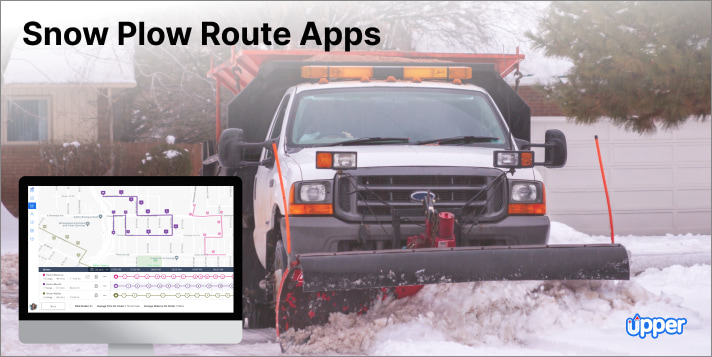

Winter weather creates urgent demand for fast and reliable snow removal services, making the industry a strong business opportunity for contractors and service entrepreneurs.
According to Coherent Market Insights, the global snow removal market is projected to grow from USD 16.31 billion in 2026 to USD 255.51 billion by 2033, driven by rising infrastructure needs, extreme weather conditions, and increasing demand for commercial property maintenance.
From residential driveways and apartment complexes to retail parking lots and municipal contracts, snow removal businesses help keep properties safe, accessible, and operational during winter storms.
But building a successful operation requires more than a plow truck and a few seasonal clients. Businesses must manage route planning, weather-driven scheduling, equipment maintenance, customer communication, and rapid response times under tight deadlines.
In this guide, we’ll explain how to start a snow removal business, including startup costs, equipment requirements, pricing models, licensing considerations, and operational strategies to help you run an efficient and profitable service business.
Table of Contents
- What Is a Snow Removal Business?
- Why Start a Snow Removal Business: 4 Key Benefits
- How to Start a Snow Removal Business (Step-by-Step)
- Common Challenges in Running a Snow Removal Business
- Best Practices for a Profitable Snow Removal Operation
- Snow Removal Business Startup Costs Breakdown
- Plan Efficient Snow Removal Routes With Upper
- Frequently Asked Questions
What Is a Snow Removal Business?
A snow removal business provides residential and commercial snow-clearing services during the winter months. The business model ranges from solo operators with a single truck and plow to multi-crew operations managing dozens of commercial contracts across an entire metro area.
How a Snow Removal Business Works
Snow removal is a seasonal business that typically operates from November through March, depending on your region. Revenue comes from several pricing models:
- Per-push pricing (charging per service visit)
- Seasonal contracts (fixed fee for the entire winter)
- Per-inch pricing (tiered rates based on snowfall accumulation)
- Hourly rates for large commercial or municipal jobs
The core service types include plowing parking lots and driveways, salting and de-icing surfaces, clearing sidewalks, and removing roof snow. Client segments span residential homeowners, commercial property managers, HOAs, and municipal governments.
Many operators who scale past their first season find that a mix of service types and client segments creates the most stable revenue base. For those interested in becoming a snowplow operator, understanding these fundamentals is the first step.
Understanding the business model and client segments helps you make better decisions about equipment, pricing, and territory. Next, look at why snow removal is worth the investment.
Why Start a Snow Removal Business: 4 Key Benefits
Snow removal is one of the few seasonal businesses that offers predictable, contract-based recurring revenue. For landscaping companies and field service operators, it fills the winter revenue gap while using equipment and crews that would otherwise sit idle.
1. High Recurring Revenue Potential
Seasonal contracts provide guaranteed income regardless of snowfall volume. Average contract values range from $300 to $800 per season for residential clients and $2,000 to $15,000+ for commercial properties.
Operators with 20 or more commercial contracts can generate $100,000 to $300,000 in seasonal revenue. Recurring clients also reduce customer acquisition costs year over year, making the business more profitable with each passing season.
2. Low Barriers to Entry
Startup costs range from $5,000 for a basic truck and plow setup to $50,000+ for a full commercial operation. No specialized degree or certification is required in most states. Existing landscaping or field service operators already own much of the needed equipment, including trucks, trailers, and spreaders.
The business can start as a solo operation and scale incrementally as you build your client base and cash flow.
3. Complementary to Existing Service Businesses
Landscaping companies already have trucks, trailers, and client relationships that translate directly to snow removal. HVAC, plumbing, and other field service businesses can add snow removal as a winter revenue stream without major new investments.
Shared equipment reduces effective startup costs, and client cross-selling opportunities between summer services and winter snow removal strengthen retention. If you already run a lawn care business, adding snow removal is a natural extension of your service offering.
4. Growing Demand From Commercial Properties
Property managers increasingly outsource snow removal rather than hiring in-house crews. Liability concerns drive demand for professional, insured snow removal providers who can document service completion.
Climate variability means more extreme winter storms in many regions, increasing the urgency for reliable service. The HOA and facility management sectors continue to expand outsourced winter services as well.
The financial opportunity is clear, but building a profitable snow removal business requires specific planning, equipment, and operational systems. Here is how to start one step by step.

See it in action
Improve Snow Removal Operations With Real-Time Dispatching
Track crews live, optimize routes dynamically, and respond faster to changing weather conditions with Upper.

How to Start a Snow Removal Business (Step-by-Step)
Starting a snow removal business involves more planning than buying a plow and waiting for snow. The operators who build sustainable, scalable businesses follow a structured launch process that covers legal setup, equipment, pricing, route planning, and client acquisition before the first flake falls.
Step 1. Create a Business Plan
A strong snow removal business plan sets the foundation for every decision that follows. Without one, you are guessing at pricing, territory, and growth targets.
1.1 Define Your Service Area and Target Market
Choose your geographic territory based on average annual snowfall, competition density, and drive distances between potential clients. Decide whether to focus on residential, commercial, or a mixed client base. Research local competition to understand how many operators serve your area, what they charge, and where service gaps exist.
1.2 Project Revenue and Expenses
Estimate seasonal revenue based on your target contract count and average contract value. Map fixed costs (equipment payments, insurance, storage) against variable costs (fuel, salt, labor). Build a break-even analysis for year one so you know exactly how many contracts you need to cover overhead.
1.3 Set Growth Milestones
In year one, focus on building 15 to 25 residential contracts and three to five commercial contracts as a solo or two-person operation. By years two and three, plan to add crews, expand your territory, and pursue municipal or large commercial bids. Define clear triggers for investing in additional equipment based on contract volume.
Step 2. Handle Legal Requirements and Insurance
Proper legal setup protects your business from day one. Snow removal carries significant liability exposure, so cutting corners here creates risk you cannot afford.
2.1 Register Your Business
An LLC is the recommended structure for liability protection. Register with your state and local agencies, and obtain an Employer Identification Number (EIN) from the IRS. The U.S. Small Business Administration provides step-by-step registration guidance for new business owners.
2.2 Get Licensed and Permitted
Requirements vary significantly by location. Some cities require specific snow removal contractor licenses or permits. Commercial operators may need DOT registration for transporting heavy equipment. Check with your state and municipality before the season starts to avoid compliance issues.
2.3 Secure Insurance Coverage
General liability insurance ($1 million to $2 million recommended) protects against property damage and slip-and-fall claims. Slip-and-fall lawsuits average $30,000 to $50,000 in settlements, making this coverage essential. You also need commercial auto insurance for all vehicles, workers’ compensation if hiring employees, and inland marine insurance for equipment in transit.
Step 3. Purchase Equipment
Your equipment determines what types of jobs you can take and how efficiently you can complete them.
3.1 Essential Equipment for Getting Started
At minimum, you need a pickup truck or SUV with a plow attachment ($4,000 to $8,000 for the plow), a salt or sand spreader ($500 to $3,000), snow blowers for walkways and tight spaces ($300 to $1,500), and shovels, ice scrapers, safety gear, and de-icing materials.
3.2 Scaling Up Your Equipment
As you add commercial contracts, you may need skid steer loaders for large parking lots ($20,000 to $60,000), dedicated plow trucks for multi-crew operations, larger salt spreaders, and GPS tracking systems for fleet tracking without hardware requirements.
3.3 Buy vs. Lease Decisions
Leasing reduces upfront capital but costs more long-term. Used equipment can cut startup costs by 40% to 60%. Factor in maintenance, storage, and seasonal downtime costs when making your decision. Many first-year operators start with used equipment and upgrade as revenue stabilizes.
Step 4. Set Your Pricing Structure
Pricing determines your profitability and competitive position. Set rates too low and you will not cover costs. Set them too high, and you will lose bids to competitors.
4.1 Common Pricing Models
Per-push pricing charges per service visit and works best in light snowfall areas ($25 to $75 residential, $150 to $500+ commercial). Seasonal contracts provide a fixed fee for the entire season, offering the best revenue predictability.
Per-inch pricing uses tiered rates based on snowfall accumulation, which is common in heavy snowfall regions. Hourly rates ($100 to $250 per hour per truck) are typical for large commercial or municipal work.
4.2 How to Calculate Your Rates
Your base rate should cover equipment costs, labor, fuel, insurance, overhead, and your target profit margin, divided by estimated service events. Research competitor pricing in your market as a baseline. Experienced operators target 30% to 50% gross margins on commercial contracts. Factor in salt and de-icing material costs separately, as these fluctuate seasonally.
Step 5. Plan Your Routes and Service Zones
Route planning is where operational efficiency either multiplies your profits or erodes them. Poor routing means wasted fuel, missed storm windows, and frustrated clients.
5.1 Zone-Based Territory Planning
Divide your service area into geographic zones to minimize drive time between clients. Group residential and commercial clients by proximity, and assign priority tiers: Tier 1 (hospitals, emergency services, large commercial) gets cleared first, followed by smaller commercial, and then residential. A snow removal route planning platform can automate this prioritization and sequencing.
5.2 Pre-Plan Storm Response Routes
Build optimized routes before winter hits, not during the first storm. Factor in plowing time per property, drive time between stops, and refueling or salt reloading points. Route optimization software sequences stops for maximum efficiency. Plan salt and de-icing routes separately from plowing routes when needed.
5.3 Build in Contingency Time
Heavy storms take two to three times longer per property than average snowfalls. Schedule buffer time for equipment breakdowns and crew delays. Have backup routes ready if primary trucks go down. The operators who plan for worst-case scenarios are the ones who keep contracts year after year.
Step 6. Acquire Your First Clients
All your planning comes down to this: filling your routes with paying clients before the first storm.
6.1 Residential Client Acquisition
Start canvassing target neighborhoods two to three months before winter. Use flyers, door hangers, and yard signs in neighborhoods where you already have clients. Nextdoor, Facebook Marketplace, and local community groups are cost-effective advertising channels. Offer early-bird seasonal contract discounts to lock in clients before winter.
6.2 Commercial Client Acquisition
Direct outreach to property management companies, HOAs, and facility managers is the most effective approach. Bid on municipal RFPs (requests for proposals) through city and county websites.
Network through your local Chamber of Commerce and business associations. When pitching, emphasize your insurance coverage, reliability guarantees, and response time SLAs. For more strategies, see this guide on getting snow plow contracts.
6.3 Retaining Clients Year Over Year
Send renewal offers 60 to 90 days before each winter season. Offer multi-year contract discounts to lock in revenue. Track client satisfaction and address service issues immediately. Retention is more profitable than acquisition, so protecting your existing base should be a priority from day one.
Following these six steps gives you a solid operational foundation. But even the best plan falls apart without efficient day-to-day execution, and that starts with how you manage your routes, crews, and storm response.
See it in action
Dispatch Snow Removal Crews Faster and Smarter with Upper
Streamline driver assignments, manage last-minute schedule changes, and improve field coordination with automated routing and dispatch.
Common Challenges in Running a Snow Removal Business
Running a snow removal business comes with operational challenges that are unique to the industry. Tight storm response windows, unpredictable weather, and the pressure to clear multiple properties simultaneously create logistical complexity that grows with every new contract.
Challenge #1: Tight Storm Response Windows
Most commercial contracts require clearing within two to four hours of snowfall ending. Penalties for late clearing can include contract termination or financial deductions. When multiple storms hit in a short period, scheduling pressure compounds. Without pre-planned routes, crews waste time on inefficient sequencing, turning tight windows into missed deadlines.
Challenge #2: Managing Multiple Crews and Equipment
Coordinating three or more crews across different zones requires real-time visibility into who is where. Equipment breakdowns during storms force instant re-routing decisions. Driver accountability is harder when crews work overnight hours, and manual dispatch via phone calls and texts breaks down under pressure. A driver dispatch management software centralizes this coordination in a single dashboard.
Challenge #3: Weather Unpredictability and Revenue Volatility
Low-snowfall years reduce per-push revenue significantly. Heavy-snowfall years increase costs (fuel, salt, overtime) faster than revenue. Seasonal contract pricing must balance risk for both scenarios. Climate variability makes historical averages less reliable for planning, so building a mix of seasonal and per-push contracts helps stabilize revenue.
Challenge #4: Liability and Property Damage Risks
Slip-and-fall lawsuits on under-cleared properties are common and expensive. Plow damage to landscaping, curbs, and lot surfaces creates repair obligations. Incomplete documentation of service times leaves businesses vulnerable to disputes. Insurance premiums increase with claim history, pressuring margins further. Capturing time-stamped proof of service at every property is the best defense.
Each of these challenges has a practical solution. The next section covers the operational best practices that experienced snow removal operators use to stay profitable and avoid common pitfalls.
Best Practices for a Profitable Snow Removal Operation
Profitability in snow removal comes down to operational efficiency. The businesses that consistently hit their margins year after year have systems in place for route management, crew coordination, documentation, and client communication.
1. Optimize Your Routes Before the Season Starts
Build and test routes during the fall, not during the first storm. Use route optimization software to sequence stops by proximity and priority tier. Factor in equipment loading points (salt and sand depots) as stops within routes.
Review and adjust routes as new contracts are added throughout the season. Snow plow route planning apps can automate this entire process and save hours of manual planning.
2. Use GPS Tracking for Crew Accountability
Real-time GPS fleet tracking shows where every crew is during a storm event. Timestamp data provides proof of service for contract compliance. Managers can re-route crews on the fly when equipment breaks down or storms shift. GPS records also protect against false claims of missed or late service, which can save thousands in disputed penalties.
3. Document Every Service With Proof of Completion
Capture time-stamped photos of cleared properties before leaving each site. Digital service records replace paper logs that get lost or disputed. Proof of service documentation reduces liability exposure in slip-and-fall claims. Clients with access to service records report higher satisfaction and retention rates.
4. Lock In Seasonal Contracts Early
Offer early-bird pricing for contracts signed 60 or more days before winter. Seasonal contracts provide predictable revenue regardless of snowfall volume. A mix of seasonal and per-push contracts balances risk for both heavy and light winters. Auto-renewal clauses reduce administrative overhead and improve retention rates.
5. Pre-Position Salt and De-Icing Materials
Buy salt and de-icing supplies in the off-season when prices are 15% to 30% lower. Store materials at strategic locations within your service territory to reduce refueling trips. Track material usage per route to avoid running short during extended storm events. Negotiate bulk pricing with suppliers for multi-season commitments.
6. Build a Reliable Crew Before Winter Hits
Recruit and train seasonal workers six to eight weeks before the first expected snowfall. Cross-train crew members on multiple equipment types for flexibility. Establish clear on-call protocols and response time expectations. Retain top performers with competitive pay, bonuses for storm response, and multi-season commitments.
With these best practices in place, you have the foundation for a profitable, scalable snow removal business. The right technology can further amplify these gains by automating the most time-consuming parts of route planning and crew management.
See it in action
Optimize Snow Plow Routes and Complete More Jobs
Use Upper to reduce drive time, improve route efficiency, and handle more snow removal stops during peak winter demand with route optimization software.
Snow Removal Business Startup Costs Breakdown
Startup costs for a snow removal business vary widely depending on your target market and scale. A solo residential operator can get started for under $10,000, while a multi-crew commercial operation may require $50,000 to $100,000 in upfront investment.
| Expense Category | Cost Range | Details |
| Plow Attachment | $4,000 to $8,000 | Cost for attaching a snow plow to an existing truck |
| Salt & Sand Spreaders | $500 to $3,000 | Used for de-icing residential and commercial properties |
| Snow Blowers & Hand Tools | $500 to $2,000 | Includes shovels, snow blowers, safety gear, and smaller tools |
| Used Plow Truck | $15,000 to $40,000 | Cost for a dedicated snow removal vehicle |
| Skid Steer Loader | $20,000 to $60,000 | Typically used for large commercial lots and municipal contracts |
| LLC Registration | $50 to $500 | Varies by state and business structure requirements |
| General Liability Insurance | $500 to $2,000/year | Covers property damage and liability claims |
| Commercial Auto Insurance | $1,200 to $3,000/year per vehicle | Required for business-owned trucks and equipment |
| Licenses & Permits | $100 to $500 | Local and state permit requirements |
| Fuel Costs | $2,000 to $8,000/season | Depends on route density, fleet size, and snowfall volume |
| Salt & De-Icing Materials | $1,500 to $10,000/season | Ongoing seasonal material expenses |
| Marketing & Advertising | $500 to $2,000 | Includes flyers, local ads, website setup, and lead generation |
| Route Optimization Software | $40 to $200/month | Software for dispatching, routing, and fleet tracking |
| Accounting & Bookkeeping | $500 to $2,000/year | Financial management and tax preparation costs |
1. Equipment Costs
A plow attachment for an existing truck runs $4,000 to $8,000. Salt and sand spreaders cost $500 to $3,000. Snow blowers and hand tools add another $500 to $2,000. If you need a dedicated plow truck, expect to pay $15,000 to $40,000 for a used vehicle. Skid steer loaders for commercial lots range from $20,000 to $60,000.
2. Business Formation and Insurance Costs
LLC registration costs $50 to $500, depending on your state. General liability insurance runs $500 to $2,000 per year. Commercial auto insurance costs $1,200 to $3,000 per year per vehicle. Workers’ compensation varies by state and headcount. Licenses and permits add $100 to $500 to your startup budget.
3. Operational and Marketing Costs
Fuel costs range from $2,000 to $8,000 per season, depending on fleet size and territory. Salt and de-icing materials run $1,500 to $10,000 per season. Marketing and advertising for initial client acquisition costs $500 to $2,000. Route optimization and fleet management software runs $40 to $200 per month. Accounting and bookkeeping add $500 to $2,000 per year.
4. Total Startup Cost Ranges
A solo residential operator can launch for $5,000 to $15,000. A small commercial operation with one to two trucks requires $20,000 to $50,000. Multi-crew commercial and municipal operations need $50,000 to $150,000+. Most operators recoup their startup investment within one to two seasons with 15 or more contracts, making the ROI timeline relatively short compared to other service businesses.
Knowing your cost structure helps you price services accurately and set realistic revenue targets. With the financials mapped out, the final piece is understanding how the right tools accelerate your path to profitability.
Plan Efficient Snow Removal Routes With Upper
Starting a snow removal business requires careful planning across equipment, licensing, pricing, and route management. But the operators who scale profitably share one common advantage: they plan and optimize their routes before the storms hit.
Upper Route Planner helps snow removal businesses build optimized routes for every storm scenario, dispatch multiple crews from a single dashboard, and track every vehicle in real time during storm events. With route scheduling, you can pre-build and save routes for your entire service territory, then activate them the moment a storm is forecasted.
Multi-driver dispatch lets you assign zones to crews with one click instead of managing a chain of phone calls at 3 a.m. GPS tracking gives you real-time visibility into which properties have been cleared and which are still in queue. Proof of delivery captures time-stamped photos at every stop, giving you documentation that protects against liability claims and proves contract compliance.
Whether you are launching your first snow removal operation or scaling an established business, snow removal route planning software gives you the routing and dispatch tools to service more contracts with fewer headaches. Book a demo to see how Upper can power your snow removal routes.
Frequently Asked Questions
Startup costs range from $5,000 for a solo residential operator (truck with plow attachment, basic insurance, and hand tools) to $50,000 to $150,000 for a multi-crew commercial operation with dedicated plow trucks and heavy equipment. The biggest cost variables are equipment, insurance, and initial salt and de-icing material inventory.
Yes, snow removal can be highly profitable with the right pricing and operational efficiency. Experienced operators report 30% to 50% gross margins on commercial contracts. A solo operator with 20 to 30 residential contracts and three to five commercial contracts can generate $50,000 to $100,000+ in seasonal revenue working four to five months per year.
Licensing requirements vary by state and municipality. Most areas require a general business license and commercial vehicle registration. Some cities require specific snow removal contractor permits, and commercial operators hauling heavy equipment may need DOT registration. Check with your local city or county clerk’s office for specific requirements.
At minimum, you need a pickup truck or SUV, a plow attachment, a salt or sand spreader, snow blowers for walkways, and basic hand tools. For commercial operations, you may also need skid steer loaders, larger spreaders, and dedicated plow trucks. GPS tracking and route optimization software become essential once you manage multiple vehicles and crews.
Residential contracts come from door-to-door canvassing, local advertising, and community platforms like Nextdoor and Facebook groups. Commercial contracts require direct outreach to property management companies, HOAs, and facility managers. Municipal contracts are typically awarded through formal bid processes on city and county procurement websites. Starting two to three months before winter gives you the best chance to fill your route.
Efficient snow removal route planning involves dividing your service area into geographic zones, grouping clients by proximity, assigning priority tiers, and sequencing stops to minimize drive time. Route optimization software automates this process and factors in variables like plowing time per property, refueling points, and crew assignments. Pre-planning routes before winter starts is essential for fast storm response.