
Fast deliveries and growing eCommerce demand have made logistics operations more complex than ever. But alongside speed and convenience, businesses are now facing increasing pressure to reduce fuel consumption, cut emissions, and operate more sustainably. Customers, governments, and investors all expect logistics companies to balance operational efficiency with environmental responsibility.
This shift is driving rapid growth in the green logistics industry. As per Fortune Business Insights, the global green logistics market size was valued at USD 1.78 trillion in 2025 and is projected to grow from USD 1.94 trillion in 2026 to USD 3.75 trillion by 2034. The numbers reflect how sustainability is no longer a secondary initiative but a core part of modern logistics strategy.
From route optimization and electric delivery vehicles to smarter load planning and paperless operations, businesses are adopting practical solutions to reduce environmental impact while improving efficiency. This guide explores what green logistics means, why it matters, and the most effective strategies for building more sustainable delivery operations.
Table of Contents
- What Is Green Logistics?
- 6 Benefits of Green Logistics for Fleet Operations
- How to Implement Green Logistics in Your Fleet Operations
- 4 Common Green Logistics Challenges and How to Solve Them
- Best Practices to Implement Green Logistics for 2026
- Reduce Your Fleet’s Carbon Footprint With Upper
- FAQs on Green Logistics
What Is Green Logistics?
Green logistics is the practice of minimizing the environmental impact of supply chain operations, including transportation, warehousing, packaging, and distribution. It focuses on reducing carbon emissions, waste, and resource consumption while maintaining operational efficiency and profitability.
This goes beyond simply “going green” as a marketing exercise. Green logistics represents a fundamental operational shift where sustainability and cost savings reinforce each other. Companies that reduce fleet mileage cut both their fuel bills and their carbon footprint simultaneously. Those that consolidate loads eliminate unnecessary trips while improving vehicle utilization.
How Green Logistics Works
Green logistics operates through several interconnected strategies:
- Route optimization: Algorithms reduce total miles driven, cutting fuel burn and emissions per delivery. This is the fastest path to measurable results for most fleets
- Fleet modernization: Transitioning to electric, hybrid, or alternative-fuel vehicles for lower tailpipe emissions over time
- Load consolidation: Maximizing vehicle capacity utilization to reduce the number of trips required for the same delivery volume
- Modal shifting: Moving freight from road to rail or water where possible, achieving up to 80% lower carbon footprint per ton-mile
- Reverse logistics: Structured return and recycling processes that prevent waste and recover value from product returns
- Data-driven decisions: Analytics platforms tracking fuel consumption, idle time, and emissions per route to identify improvement opportunities
Understanding these mechanics is the first step. The real question is what measurable returns fleet operators can expect from implementing them.
6 Benefits of Green Logistics for Fleet Operations
Green logistics is not a cost center. It is a profitability driver that delivers returns across financial, operational, regulatory, and brand dimensions.
Lower Fuel and Operating Costs
Route optimization and fleet efficiency improvements reduce fuel consumption by 25-40%. For a 20-vehicle fleet averaging $3,000 per month in fuel per truck, even a 25% reduction saves $180,000 annually. Sustainable driving practices and reduced idling compound those savings further, making fleet fuel management one of the highest-ROI investments available.
Reduced Carbon Emissions
Electric trucks reduce lifecycle greenhouse gas emissions by up to 75% compared to diesel, according to the International Council on Clean Transportation. Route optimization alone cuts 10-15% of fleet miles by eliminating backtracking and redundant stops. Both strategies work together to create measurable emission reductions that satisfy reporting requirements and corporate sustainability goals.
Regulatory Compliance and Risk Reduction
EU CBAM enforcement and New York’s Climate Corporate Data Accountability Act signal accelerating regulatory pressure globally. Proactive green logistics positions companies ahead of mandates rather than scrambling to comply under deadline pressure. Fleet operators who build emissions tracking and reduction capabilities now avoid costly retroactive compliance projects.
Stronger Brand Reputation and Customer Loyalty
Research shows 78% of consumers are more likely to purchase from brands labeled environmentally friendly. B2B clients increasingly require sustainability documentation from logistics partners before awarding contracts. Green logistics credentials become a competitive differentiator in procurement decisions, not just a marketing talking point.
Improved Operational Efficiency
Green practices like optimized routes, reduced idling, and better load planning simultaneously cut emissions and improve delivery throughput. Optimized routes can help you accommodate 15-25% more stops per driver daily. Efficiency and sustainability are not competing priorities; they are the same priority.
Long-Term Competitive Advantage
The global green logistics market is rapidly growing. Companies that build sustainable operations now capture market share as the industry shifts toward environmental accountability and regulatory compliance.

See it in action
Reduce Fuel Waste With Smarter Route Planning
Optimize delivery routes, cut unnecessary mileage, and lower fleet emissions with Upper Route Planner's intelligent routing software.

How to Implement Green Logistics in Your Fleet Operations
Implementing green logistics does not require a complete fleet overhaul or a massive capital investment. The most effective approach starts with high-ROI, low-barrier strategies and builds from there.
1. Optimize Routes to Eliminate Wasted Miles
Route optimization is the single fastest way to reduce fleet emissions without purchasing a single new vehicle. It delivers measurable results within the first week.
Audit Current Route Efficiency
Review existing routes for backtracking, unnecessary detours, and suboptimal stop sequencing. Most manually planned routes contain 15-30% excess mileage that translates directly to wasted fuel and unnecessary emissions. A simple before-and-after mileage comparison reveals how much room for improvement exists.
Deploy Route Optimization Software
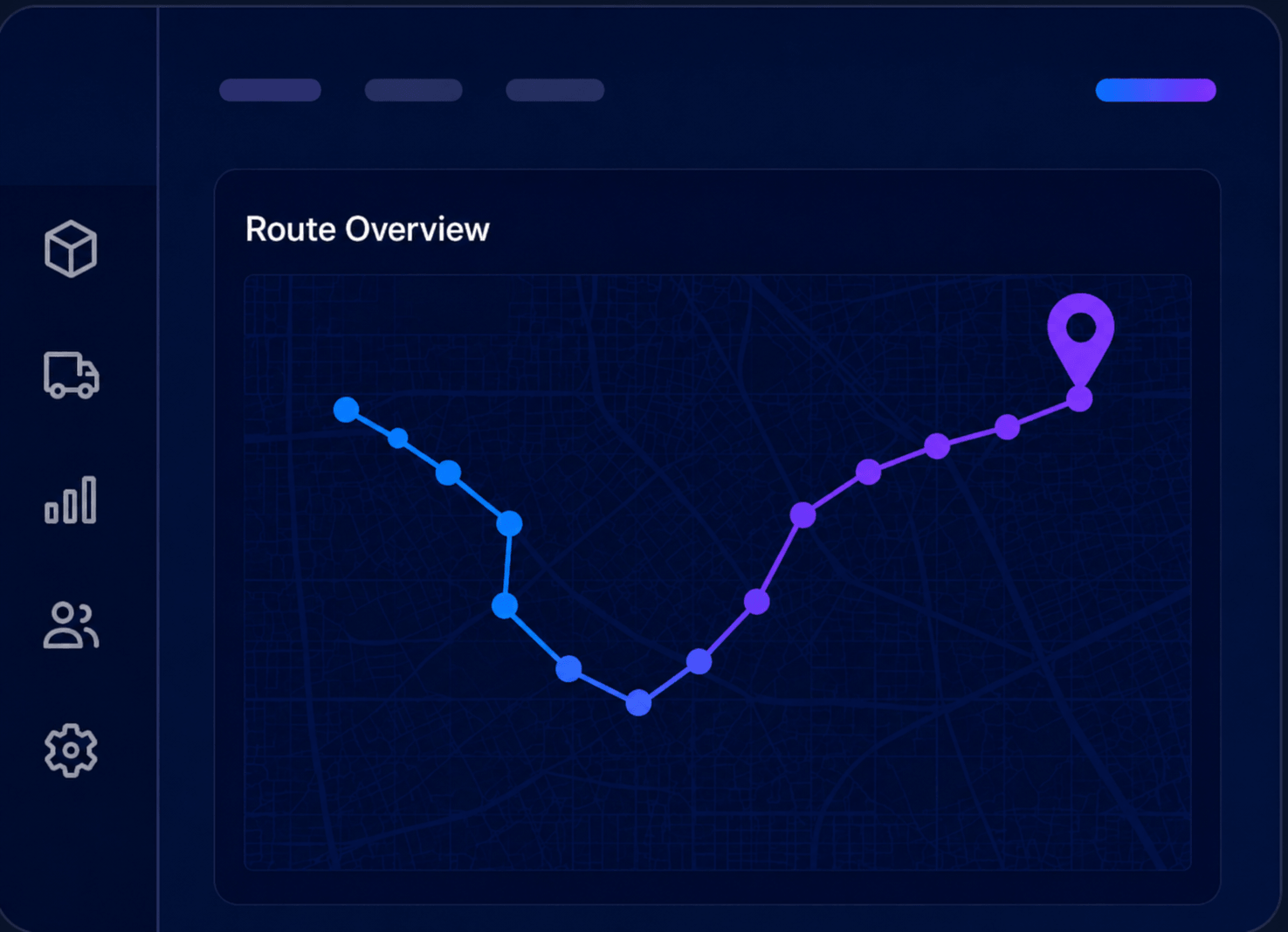
AI-powered route optimization algorithms calculate the most efficient sequence across hundreds of stops, factoring in traffic patterns, time windows, and vehicle constraints. This alone can reduce fleet mileage by 20-30%. Route optimization software optimizes routes for multi-driver fleets in under a minute, eliminating the guesswork of manual planning.
Track and Iterate With Analytics
Use route analytics dashboards to monitor fuel consumption per route, driver efficiency, and miles-per-delivery trends. Continuous data tracking identifies new optimization opportunities as delivery patterns change seasonally and customer locations shift over time.
2. Reduce Vehicle Idling and Improve Driver Behavior
Driver behavior has a direct impact on fleet emissions and fuel costs. Small changes across your team create significant aggregate reductions.
Monitor Idle Time With GPS Tracking
Real-time driver tracking reveals which drivers idle excessively, take inefficient paths, or deviate from assigned routes. Reducing idle time by just 10 minutes per driver per day saves significant fuel across a fleet. GPS visibility also creates accountability that naturally improves driving habits.
Implement Driver Scorecards
Score drivers on fuel efficiency, route adherence, and eco-driving behaviors using driver behavior monitoring tools. Share performance data transparently to create accountability and recognize top performers. Drivers who see their metrics improve tend to maintain those improvements over time.
3. Maximize Load Capacity and Consolidate Shipments
Every half-empty truck on the road represents avoidable emissions and wasted capacity. Smarter load planning reduces total trips without reducing delivery volume.
Use Capacity Optimization Tools
Capacity optimization that factors in package dimensions, weight limits, and vehicle constraints ensures maximum utilization per trip. Fewer trips with fuller vehicles means proportionally fewer emissions per delivery. Capacity planning distributes stops efficiently across your fleet based on actual vehicle constraints.
Consolidate Deliveries by Zone
Group deliveries into geographic zones to minimize cross-zone travel. Zone-based dispatching paired with route optimization creates tight, efficient delivery clusters where drivers spend more time delivering and less time driving between distant stops.
4. Transition to Low-Emission Vehicles
Fleet electrification is a longer-term strategy, but the economics have shifted dramatically. Starting with the right vehicle segments makes the transition manageable and cost-effective.
Start With Last-Mile Fleet Electrification
Electric vehicles are most cost-effective for predictable, short-range last-mile delivery routes. Battery costs have fallen approximately 90% since 2010, according to BloombergNEF, making EV total cost of ownership competitive with diesel for urban delivery fleets. Start with vehicles that run consistent daily routes within EV range.
Evaluate Hybrid Options for Longer Routes
For routes exceeding EV range, hybrid vehicles offer 30-50% emission reductions while maintaining the operational flexibility required for suburban and rural deliveries. A blended fleet approach lets you match the right vehicle type to each route profile.
5. Adopt Sustainable Warehousing Practices
Transportation is not the only source of logistics emissions. Warehouse operations contribute significantly to your overall carbon footprint and offer straightforward reduction opportunities.
Upgrade to Energy-Efficient Systems
LED lighting, motion sensors, smart HVAC, and solar panels reduce warehouse energy consumption by 20-40%. These upgrades typically pay for themselves within two to three years through utility cost savings, making them financially sound alongside their environmental benefits.
Minimize Packaging Waste
Right-size packaging, use recyclable materials, and implement reusable container programs to reduce per-shipment waste. Smaller, lighter packaging also improves vehicle load capacity, creating a direct connection between packaging sustainability and transportation efficiency.
6. Measure, Report, and Improve With Data
What you cannot measure, you cannot improve. Building an emissions tracking foundation is essential for sustained progress and regulatory compliance.
Establish Baseline Emissions Metrics
Calculate your current fleet carbon footprint using total fuel consumed, miles driven, and vehicle emission factors. This baseline is essential for tracking progress, satisfying regulatory reporting requirements, and demonstrating sustainability improvements to customers and stakeholders.
Set Quarterly Reduction Targets
Translate annual sustainability goals into quarterly milestones. Review fleet analytics dashboards monthly to monitor trajectory and adjust strategies. Continuous measurement turns green logistics from a one-time initiative into an ongoing operational improvement cycle.
See it in action
Build More Sustainable Delivery Operations with Upper
Improve delivery efficiency while reducing fuel consumption and operational costs with optimized routing and real-time tracking.
4 Common Green Logistics Challenges and How to Solve Them
Transitioning to green logistics requires overcoming real operational and financial hurdles. The good news is that every common barrier has a practical solution, and most fleet operators can start making progress without waiting for perfect conditions.
High Upfront Investment Costs
EV fleet purchases and warehouse upgrades require significant capital that many fleet operators cannot commit upfront. The perception that green logistics requires massive investment often stalls progress before it begins.
Solution: Start with software-based strategies like route optimization and fleet analytics that deliver ROI within weeks at minimal cost. Reinvest fuel savings into fleet modernization over time. SaaS-based tools require no capital expenditure, only a monthly subscription that pays for itself through reduced fuel costs.
Resistance to Operational Change
Drivers and dispatchers accustomed to manual processes may resist adopting new tools and workflows. If your team does not use the technology, the investment generates zero return.
Solution: Phase adoption gradually and lead with driver-friendly mobile apps that simplify the driver’s day rather than complicating it. Share performance data showing reduced workload and improved route predictability. Most drivers prefer optimized routes within the first day because they eliminate confusion about stop sequencing.
Incomplete Emissions Visibility
Many fleets lack baseline data on their carbon footprint, making it impossible to set targets or track improvement. Without measurement, sustainability claims remain unverifiable.
Solution: Deploy fleet tracking and analytics tools to establish accurate baselines before setting reduction targets. Start with the data you already have (fuel receipts, total miles driven) and layer in GPS-based tracking for granular, per-route emissions data.
Balancing Speed With Sustainability
Customers expect fast delivery, which can appear to conflict with eco-routing strategies. Fleet managers worry that optimizing for sustainability means sacrificing delivery speed.
Solution: Modern route optimization balances speed and efficiency simultaneously. The shortest total route time also happens to be the greenest path because it minimizes total miles driven. Optimized routes deliver packages faster while burning less fuel, eliminating the perceived trade-off entirely.
Best Practices to Implement Green Logistics for 2026
Green logistics best practices evolve with technology and regulation. These are the current priorities for fleet operators navigating sustainability requirements, informed by both regulatory developments and operational data.
Start With Route Optimization
Route optimization requires no vehicle purchases, no warehouse upgrades, and no infrastructure changes. It reduces fleet mileage and fuel consumption from day one, making it the lowest-barrier entry point to green logistics for any fleet size.
Track Emissions per Route, Not Just per Fleet
Fleet-level emission data hides the specific routes and drivers where the biggest inefficiencies exist. Granular, per-route tracking through analytics tools reveals hidden optimization opportunities that aggregate data misses entirely.
Electrify Last-Mile Routes First
Urban delivery routes with predictable distances and consistent daily patterns offer the best EV economics. Starting last-mile electrification where the math works best builds confidence and operational experience before expanding to longer routes.
Consolidate Loads Before Adding Vehicles
Better capacity utilization beats fleet expansion every time. Filling existing vehicles more efficiently through automated dispatch and load planning reduces both emissions and the temptation to add vehicles that create new fixed costs.
Automate Dispatch to Reduce Planning Waste
AI-powered dispatch eliminates manual inefficiencies in driver assignment and route distribution. Automated systems balance workloads, minimize total fleet mileage, and remove the human error that creeps into manual dispatch decisions.
Report Sustainability Metrics to Customers Proactively
B2B clients increasingly require emissions documentation from logistics partners. Proactive sustainability reporting strengthens customer relationships and differentiates your operation from competitors who cannot provide verifiable environmental data.
See it in action
Cut Delivery Miles and Lower Emissions
Plan faster, more efficient routes that help your drivers save fuel, reduce idle time, and complete more stops per trip.
Reduce Your Fleet’s Carbon Footprint With Upper
Green logistics is both an environmental imperative and a profitability lever. The biggest gains come from the strategies that are easiest to implement first: route optimization, fleet tracking, and data-driven dispatching. Fleet operators who start with these software-based approaches see measurable emission reductions and cost savings within weeks, not years.
Upper Route Planner helps fleet operators execute on green logistics by optimizing routes across multi-driver fleets to eliminate wasted miles, reduce fuel consumption by 25-40%, and cut fleet emissions without any vehicle purchases.
With real-time GPS tracking, dispatchers gain full fleet visibility to monitor driver behavior, reduce idling, and verify route adherence. Smart analytics dashboards track fuel consumption, route efficiency, and miles per delivery so sustainability improvements are measurable and reportable.
Ready to reduce your fleet’s emissions and operating costs? Book a demo to see how Upper’s route optimization cuts miles, fuel, and carbon from every delivery run.
FAQs on Green Logistics
Route optimization software uses algorithms to calculate the most efficient delivery sequence across all stops, eliminating backtracking, redundant miles, and inefficient stop ordering. By reducing total miles driven by 20-30%, it proportionally reduces fuel consumption and fleet CO2 emissions without requiring any vehicle replacements.
The most common challenges are high upfront costs for vehicle electrification, resistance to operational change from drivers and dispatchers, lack of baseline emissions data, and balancing delivery speed with sustainability. Starting with software-based strategies like route optimization addresses all four barriers with minimal investment.
Fleet operators implementing green logistics strategies report 25-40% fuel cost reductions through route optimization and driver behavior improvements. For a 20-vehicle fleet, this translates to $150,000 to $200,000 in annual fuel savings alone, before factoring in reduced maintenance costs and regulatory compliance benefits.
No. Small and mid-size fleets often see the largest relative impact because they typically have more route inefficiency to eliminate. SaaS-based route optimization and fleet tracking tools require no capital expenditure and deliver measurable sustainability improvements from day one.